
From Mentorship to Exhibition: Inside The Whyte's Indigenous Artist Mentorship Project
Updated: Jul 8
By Emma De Sousa, Curatorial Assistant & Indigenous Artist Mentorship Program Manager

The Indigenous Artist Mentorship Project (I AM) is a one-year artistic mentorship initiative in which 13 Indigenous artists work alongside artistic mentors AJA Louden and Joseph M. Sanchez to produce brand-new works for a large-scale exhibition, set to open at The Whyte in November of 2026.
How It Began
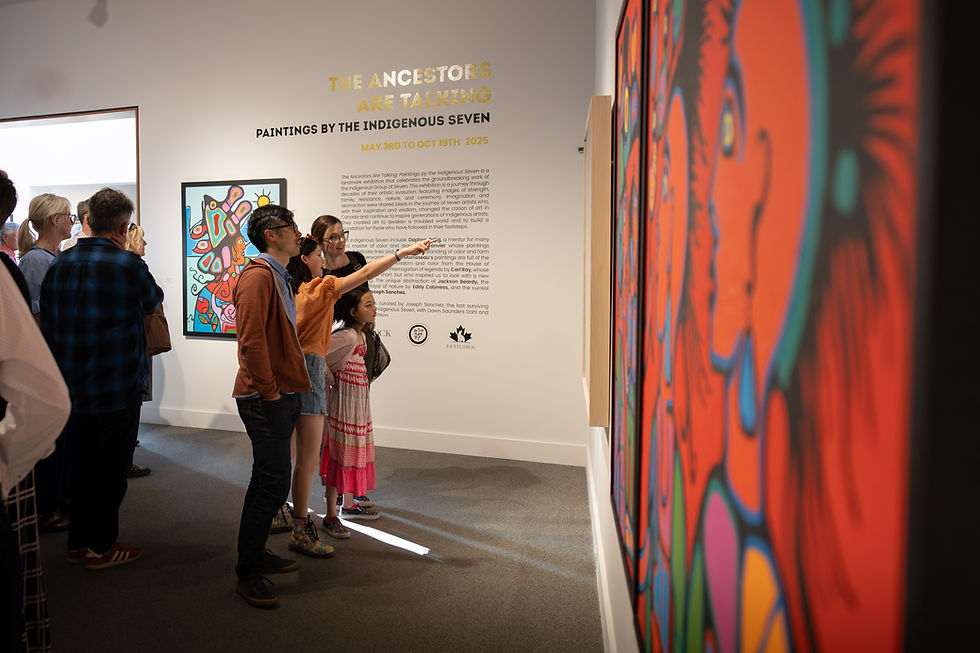
Beginning this past September as a successor project to The Cave & Basin Mural Program, done in collaboration with Parks Canada, the I AM project invited all past program participants back to close out the four-year mural program in an intimate ceremony and to embark on a week-long artistic mentorship workshop at The Whyte. There, artists engaged with the archival and curatorial collections, as well as the exhibition The Ancestors Are Talking: Paintings by The Indigenous Seven, with Curator Joseph M. Sanchez and began developing concepts for an exhibition of their own as the next generation of contemporary Indigenous artists.
Initially created as a response to The Ancestors Are Talking, this upcoming exhibition continues the artistic projects and programming at The Whyte that support both up-and-coming and established Indigenous artists from the Bow Valley and surrounding areas. During the artist workshop, many incredible ideas, concepts, and dreams emerged from the artists themselves and through their interactions as a cohort. As a result, the initial concept was broadened, expanding upon the creative scope and curatorial possibilities of what an exhibition of next generation Indigenous artists could be. As a result, the I AM exhibition will present a broad range of artistic media from thirteen artists – these represent ambitious “dream” work for many of the artists. Our goal to provide time, resources, materials, and mentorship to foster the creation of new works.
Mentorship as a Way of Being
The idea of this artistic cohort being in relation with one another, whether through nationhood, artistic process, locality, kinship, or experience, is a concept and practice embedded in this exhibition and in Indigenous curation as a discipline. The I AM project seeks to foster relationality, connection, and support that is interwoven within the entire project network. This aspect of the initiative shines when mentorship is prioritized as a key component of the work. Artistic mentors Joseph M. Sanchez and AJA Louden have a beautiful way of connecting with artists, fostering bonds and supporting artistic projects through the logistical, physical, and often spiritual and personal aspects of artistic creation. Having a cohort that has previously established mentor/mentee interpersonal relationships through the Mural Program is doubly advantageous, as trust, friendship and care already sit within the space.

I myself, as the emerging curator on the project, have experienced firsthand the importance of having access to mentorship and intergenerational learning opportunities within the arts. I’ve learned an immense amount from simply sitting in a space with artists working. Engaging with them on their ideas, hearing about their lives and processes, watching experienced mentors provide advice, and seeing mentors learn from new techniques and ideas of their mentees. The artists in this cohort are from all age groups, multiple communities, and working in diverse mediums. This adds to the creativity and array of visual aesthetics and practice that is usually available to an emerging curator in one show. There is care rooted in this type of practice that ultimately makes more room for ingenuity and brilliance in the work.
Meet the Artists
The 13 artists in the cohort are at various stages of their careers and practices and come from unique backgrounds. Here we introduce them all for the first time!

Bruno Canadien (b.1972) is a multidisciplinary visual artist based in Black Diamond, AB. His practice investigates Indigenous presence, kinship and relationality in a contemporary context. A member of the Deh Gah Got’íé First Nation of Zhati Ko, Denendeh, a Deh Cho Region Member of the Dene Nation, Bruno acts as both a participating artist and mentor in the I AM project and has acted as a participating mentor and artist in the Mural Program in previous years.

Cheyenne Bearspaw (b. 1994) is a Stoney Nakoda artist based in Mînî Thnî, AB. Their multimedia artistic practice spans visual storytelling and traditional practice. They incorporate land-based materials and technology into their research, mural art, digital illustration, and curatorial work. Cheyenne’s community-based focus often becomes a tool for storytelling and reclamation rather than pure aesthetic explorations.

Brandon Atkinson (b. 1988) is a Métis artist with ties rooted to Edmonton, Manitoba and Wales and is based in Buffalo Lake Métis Settlement, AB. His vibrant pen-and-ink style can be found throughout the province, where his practice explores concepts of heritage, history, and personal/spiritual significance through intricate visuals. Brandon’s work is greatly inspired by his upbringing and close relationship with his family.

Giona Smalleyes (b. 1998) is an emerging Stoney filmmaker, painter, bead worker, and researcher based in Mînî Thnî, AB. Her practice originates from her family and community, as well as working closely with the Nakoda AV Club. Rooted primarily in research methodology, her art stems from detail and information she finds while working with belongings from her community held in museum collections and archives globally.

Brendon Many Bears is a Blackfoot artist and archaeologist from the Siksika Nation based in Moh’kinstsis (Calgary, AB). He finds inspiration through traditional stories, cultural symbols and history with the goal of giving others a better understanding of his culture. Brendon’s work seamlessly integrates Blackfoot culture into his art and educational practice.
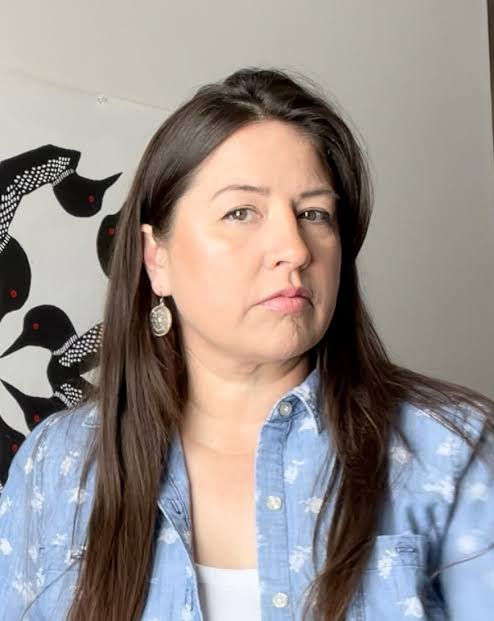
Hali Heavy Shield (b. 1977) is a multidisciplinary artist, author, mentor and emerging curator from Kainai Nation (Blood Tribe) in southern Alberta. Utilizing the mediums of murals, beadwork, digital media, and illustration, her research and artistic practice consider themes of identity, history, community, and Blackfoot pedagogy. Hali’s work often incorporates Blackfoot storytelling traditions, land-based knowledge, and multigenerational learning.

Gordon Wesley (b. 1977) focuses on bringing life of the wild into his art, where he channels imagery of wildlife through memory and personal experience. A proud Stoney Nakoda from the Bighorn Reserve, this is where he was inspired to create life on canvas through oil paintings and large-scale murals.
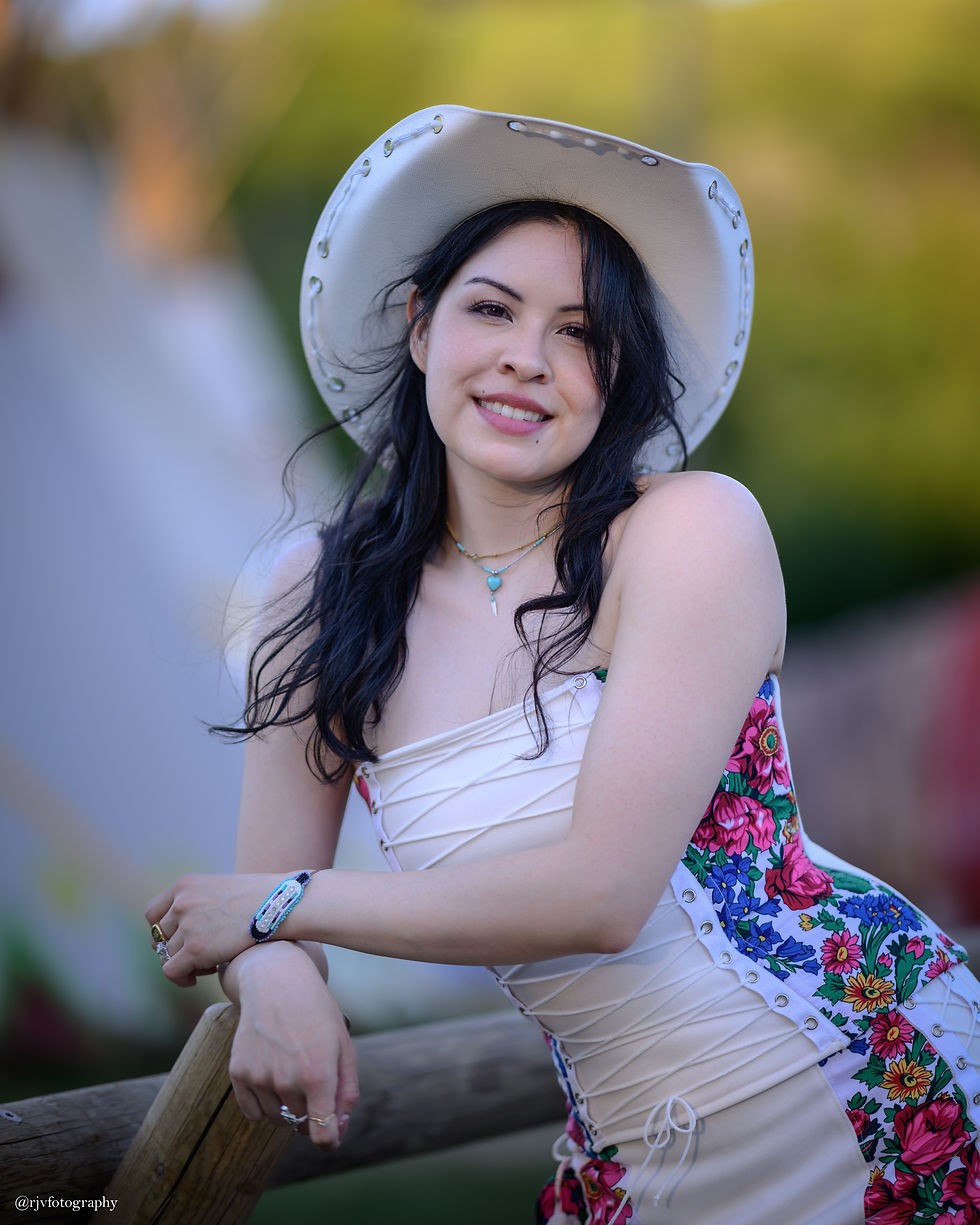
Kristy North Peigan (b. 1991) is a Piikani/Peigan First Nation member and freelance artist and designer based in Calgary, AB. Kristy's surreal and futuristic style juxtaposes digital painting with oil and canvas in her work. Kristy uses community teachings to portray modern views of Indigenous voices and spaces.

Jarron Poucette (b. 1988) was born, raised, and is currently based in Mînî Thnî, AB, where he developed his artistic practice considering the community around him. Starting his art practice at just three years old, Jarron draws and paints based on what he grew up seeing. Further developing his practice through high school into oil painting, tattooing, and moving between creative mediums whenever looking for a creative shift.

Tiffany Wollman (b. 1984) is a contemporary Métis artist based in Calgary, AB. Motivated by a sensitivity to the passing of time and a responsibility to protect the land and water, Tiffany's painting practice is paced between periods of productive energy and quiet reflection. Her gentle palette sits between synthetic hues and subdued pastels, which reference natural and artificial elements of representation.

Nathan Meguinis (b. 1980) is a self-taught artist/muralist, grass dancer, active yellowhand, and pipe carrier in training who is from the Tsuut’ina Dene Nation. His art is infused with contemporary stylizations and mixed abstraction and realism to speak about historical events, stories, or philosophies. Through his work Nathan offers a distinctive process to creating pieces that stand out for their cultural depth, unique style, and the positive energy they evoke.

Lillian Rose (b. 1959) is an ʔakisq̓nik and a Ktunaxa artist and traditional knowledge holder, with formal training, professional experience, and knowledge of Ktunaxa-specific archaeology, traditional use sites and harvesting practices. Specializing in Ktunaxa basket-making, she has also worked in publishing and design, supporting Ktunaxa storytelling and communications projects

Kyle Kaquitts (b. 1983) is an Indigenous painter from Mînî Thnî, AB, where he was raised within the lands of the Stoney Nakoda Nation. Growing up closely with his late grandfather, Sitting Wind, Kyle was introduced to art at a young age. His early artistic exposure fostered a lifelong dedication to creative expression through mural work, painting, and drum making.
The Indigenous Artist Mentorship Project: The Work Underway

The 13 artists are currently in the artistic production portion of their projects. Each is actively working on either a single piece or a collection of pieces, to be included in the exhibition opening in November 2026. While each artist operates in their own process, space, and in their own way over the course of the year, the artists stay in touch with other cohort members and mentors. Whether planning meet-ups when they’re in the same place, chatting over WhatsApp, or meeting virtually on a regular basis, the I AM project cohort and mentors are staying in contact to keep track of progress and offer insights on logistical needs that come while creating large-scale works.
As emerging curator and project lead, I work closely with each artist and the mentors to curate the exhibition, based on the learnings I’ve received from the artists and considering the relationships and aesthetic conversations between and around each of the works.
While the central theme of the exhibition is rooted in concepts of relationality and mentorship, each piece engages with these concepts in unique ways. These themes include personal history and understandings of land and place, relationality to human and animal relatives, reflection and inspiration from aesthetics and artistic practices of the Indigenous Group of Seven, and pop culture and contemporary impacts on Indigenous arts and lifeways. Once these pieces are complete, they will be installed in The Whyte in collaboration with artists and mentors. The exhibition itself is the outcome of a meaningful process of learning, relationship building and artistic development among this cohort of artists, curators, and mentors.
Follow I AM

As we make our way through the I AM project artistic and exhibition development, we hope you’ll follow along on socials and through articles in The Cairn to keep up to date on project updates, more artist introductions, and sneak peeks of the winter exhibition! This is a show you won’t want to miss, so make a plan to visit us during the exhibition run to experience these incredible artists' new works firsthand. Ka-waapamitin – See you later!
This exhibition is generously supported by TD, Alberta Foundation for the Arts, and Calgary Foundation.
Experience It for Yourself
The I AM exhibition opens at The Whyte in November 2026. Plan your visit, stay connected with the project, and be part of this moment in Indigenous contemporary art.
🔔 Follow us on social for artist spotlights, behind-the-scenes updates, and sneak peeks as the works come to life.
📬 Sign up for The Cairn to get project updates and exhibition news delivered straight to your inbox.
The museum is open daily from 10 a.m. to 5 p.m. at 111 Bear Street, Banff, AB


Comments